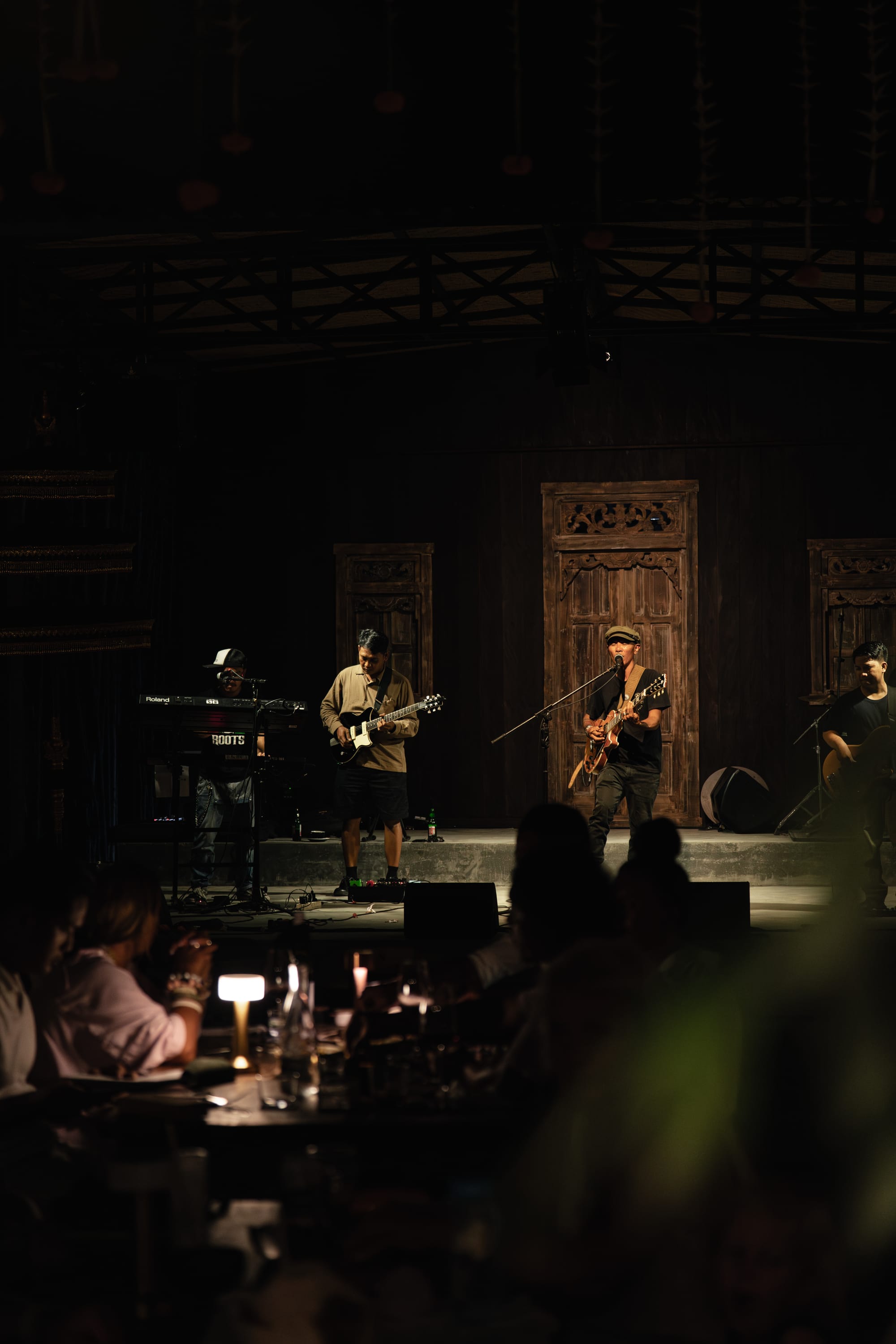
If you've been to Padang Padang at any point in the last few years, you've probably ended up at Ulu Garden. The big tree at the centre. Candles on every table instead of overhead lights. A live act on the stage in the corner. It's the kind of place you go for a quick dinner and somehow leave four hours later.
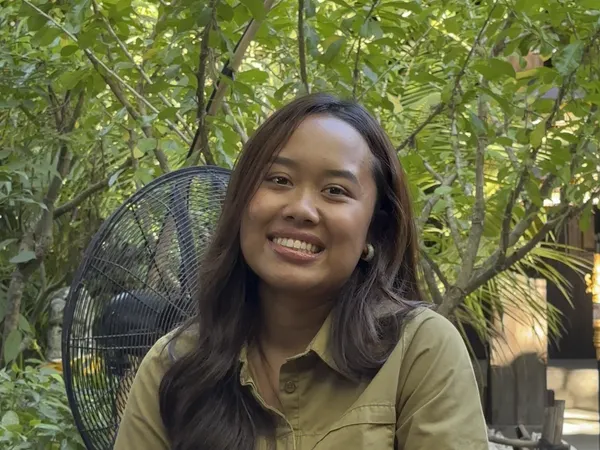
I sat down with the owner on a quiet afternoon. His name is I Wayan Armina, but everyone calls him Armi. He showed up with a cigarette ready to light, sent his daughter off to the kid corner, ordered me water, and told me, very casually, that he used to leave this place at midnight. Sometimes he'd just sleep on the property.
What was supposed to be a twenty-minute chat ended up being almost two hours. By the end I realised Ulu Garden isn't a restaurant that grew a stage. It's a stage that grew a restaurant. And almost everything about it was decided seventeen years ago, on land that was still swamp.
This is a piece about Ulu Garden in three chapters. The origin (the night a Belgian woman walked in and fell in love with a candlelit garden). The philosophy (or, as Armi prefers, the lack of one). And the vision he saw in 2007 that's still doing all the work.
How a Hostel in Pecatu Became a Stage in Padang Padang
Armi was born and raised in Pecatu, in a culturally engaged family. His uncle pushed him hard toward art school as a teenager. He didn't go. He played in bars in Kuta instead, back when Kuta was the kind of place people went to actually hear music.
Then came the long detour. He took a corporate job and drove every day from Pecatu to Denpasar. The years that followed felt, to him, like being a robot.
"I felt like a robot. I woke up in the morning and drove. At that time, I reflected. It's just money."
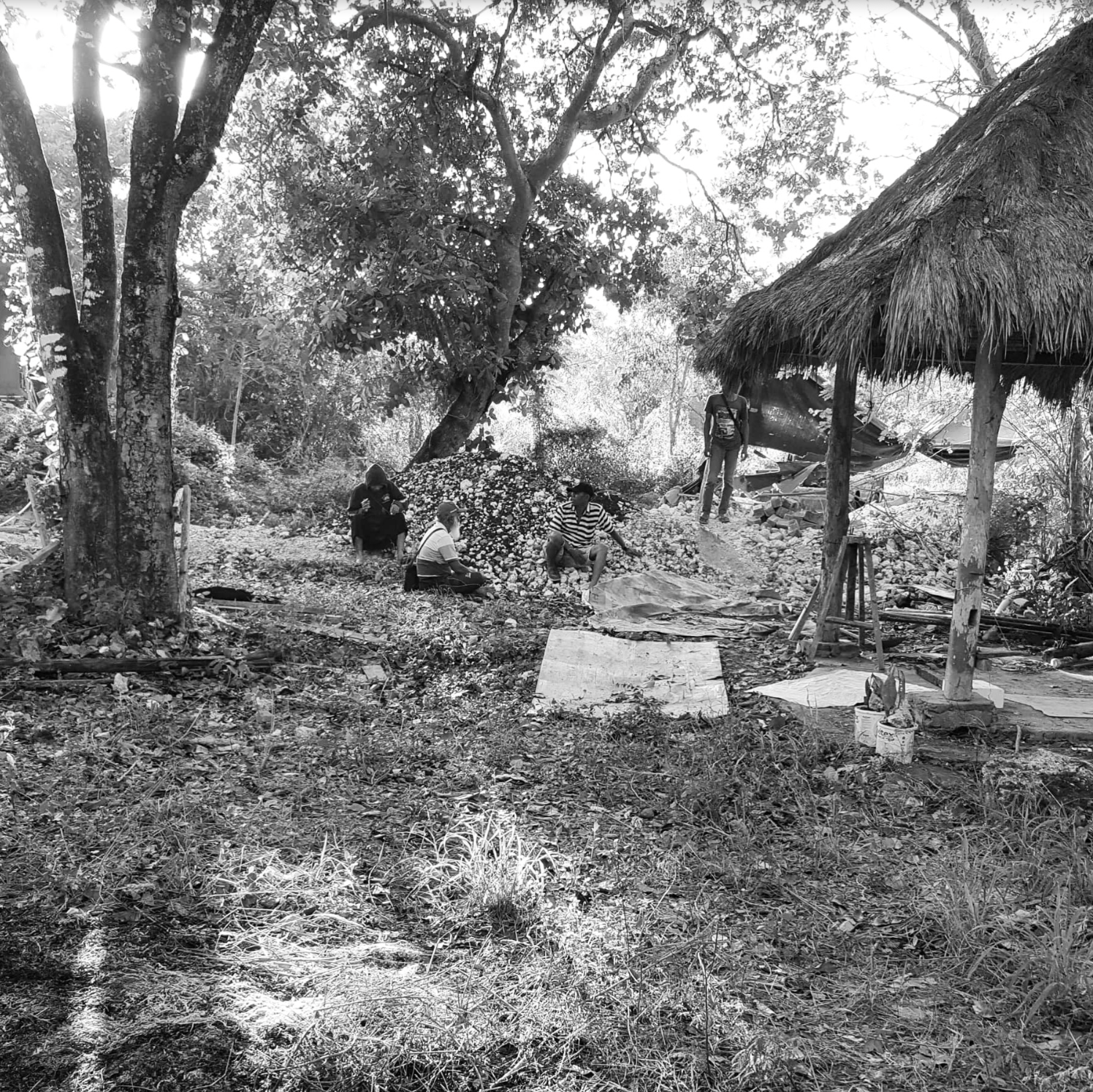
It was 2002. A friend asked him the question that changed everything. The land in Pecatu was still empty. Swampy. Forested. Why not put a hostel here?
"My family was like, are you crazy? Maybe I was crazy."
They did it anyway. By 2006 the land had become a hostel, and the hostel had become an accidental classroom. Travellers walked through. Armi asked every single one of them the same question: why do you travel? and started getting answers no university had taught him.
Music came back to him around the same time. So he built a stage instead. On the land in Padang Padang. Before the bar. Before the kitchen. Before anything. He named it Ulu Garden. Garden of Harmony: a space between dualities.
In 2016 he added a small open-air structure with five lamps and the rest candles. His cousin started selling beer instead of coffee. They opened Monday and Thursday only. People came. People talked. It quietly became an icon for Uluwatu.
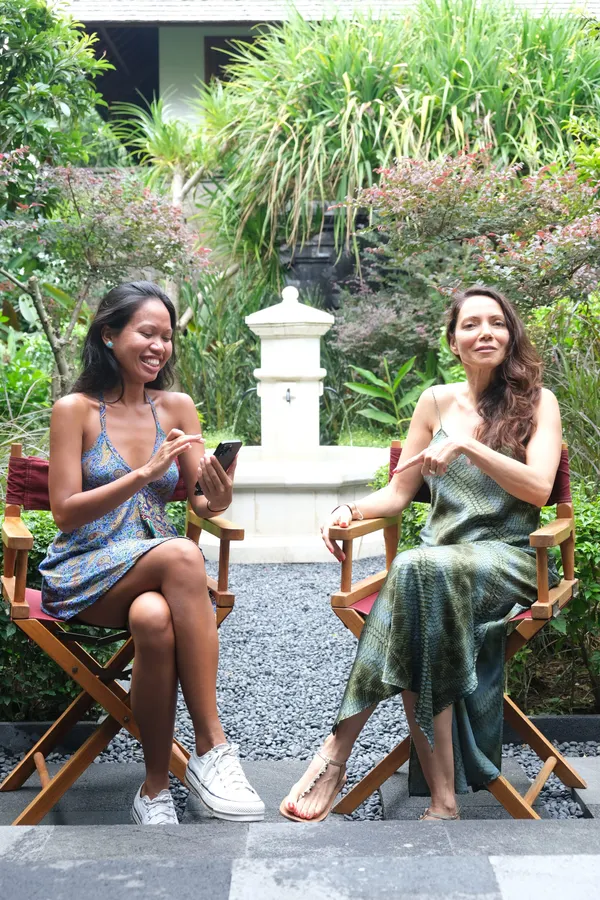
Then she walked in. A Belgian woman, a friend of Armi's friend had brought through the bar. He didn't know her background. What he knew was she watched him play, then asked the cousin behind the bar who owned the place.
At the end of the song, he came over. She was direct.
"She fell in love with the place. Not with me. She expressed her love. Love at first sight. With her sight. With his garden."
They exchanged contacts. He found out later that she'd been in her own healing arc: an F&B business in Belgium that had grown faster than her own essence could keep up with. She'd come to Bali to find herself. What she walked into in Padang Padang (five lamps, a stage, a man playing his own songs) was apparently what finding herself looked like.
She kept coming back with the same suggestion.
"Why don't you open it every day?"
Armi had been telling nature the same thing for three months. He just didn't have the product. He couldn't cook. He couldn't find the capital. Then she admitted what she did: she had a restaurant in Belgium. F&B since she was a kid.
He teased her about the chronic stress of running a chain.
"She said, I'm in city A. I have to go to city B. Traffic, stress. I told her: you have to learn my ancient knowledge. It's called Malay Rupa. In one moment, you can be in 7 places. So you won't be stressed."
The partnership was sealed, then the marriage came later.
One Family Canvas Across Food, Music, and Movement
Somewhere in the middle of our conversation, I asked Armi about the philosophy behind treating art, music, and food as equal parts of the same place. He pushed back gently on the word.
"There's no philosophy. There's awareness, if I may say so."
His wife's awareness pulls her toward food. His own DNA pulls him toward music. Both keep coming back to the same source.
"In all the ancient traditions, music, art, and food are always there. In any culture. It's always there."
Their food concept: East meets West, Balinese ingredients, international technique. The thing keeping it honest is a single sentence from Armi's mother.
"Food can kill. If you don't care about your food, food can kill you. You can both kill and nurture."
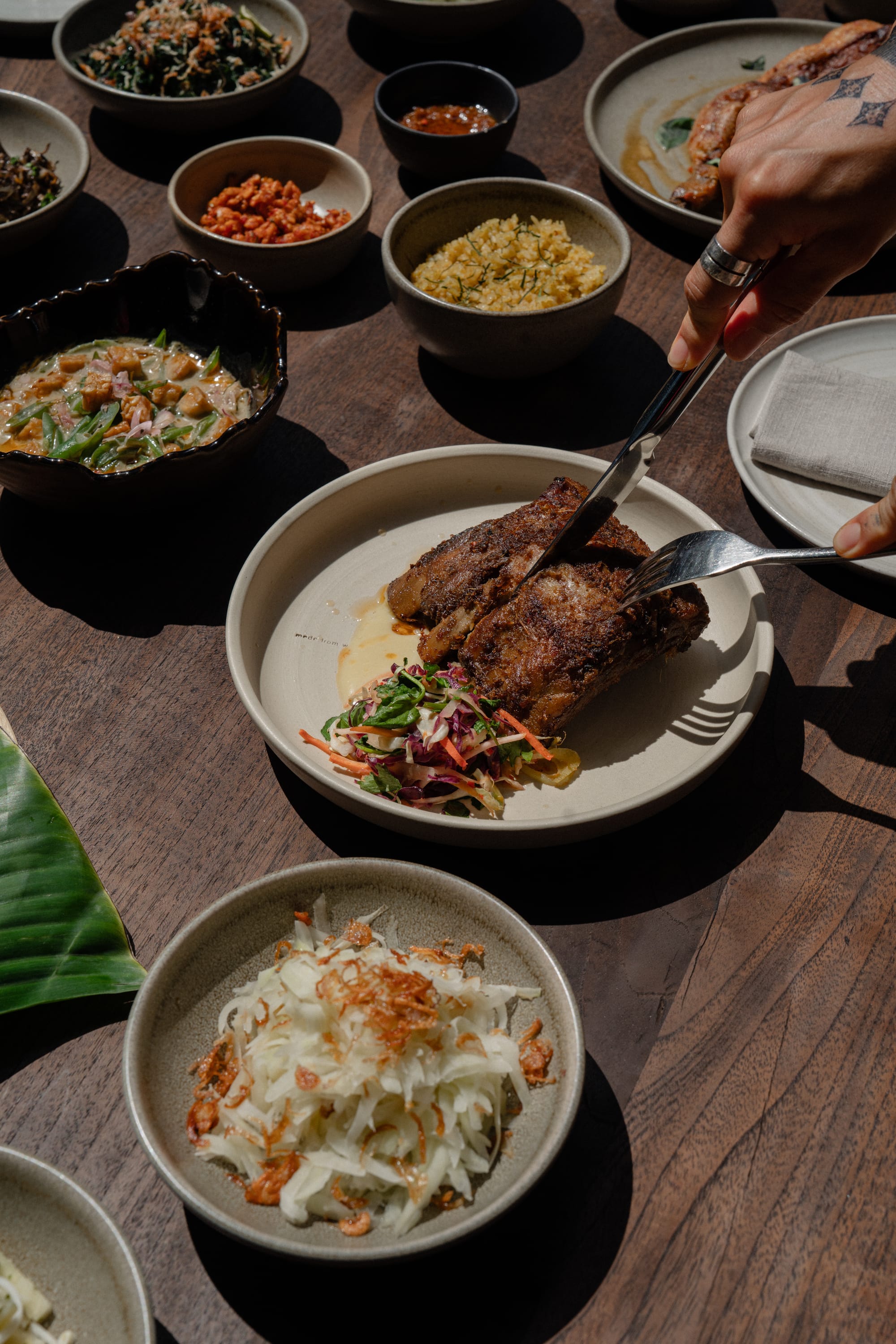
Ulu Garden sits on Tri Hita Karana: the Balinese principle of balance between God, humans, and nature. The food sits between modern Indonesian and what they prefer to call Eastern-Western. The slogan is Nourish, Experience, Unite. Food as ritual.
Small example: the sourdough rotates toppings: sometimes avocado, sometimes Balinese chicken. The half-portion grilled chicken comes with a sauce pulled from the Minang tradition but dialled down from the full force of Padang. All seasonings made in-house. No MSG. Coconut oil only.
And about the live music that is on every night, around 7.
"We believe that every local musician has their own work. What we like is musicians who have their own character, their own song."
There's Armi's band, Ulu Roots. Bobby Dinar, the reggae act. Lita and her band, blending local Indonesian songs with musicalization of poetry. Indonesian jazz. Balinese, Javanese, and East Javanese dance.
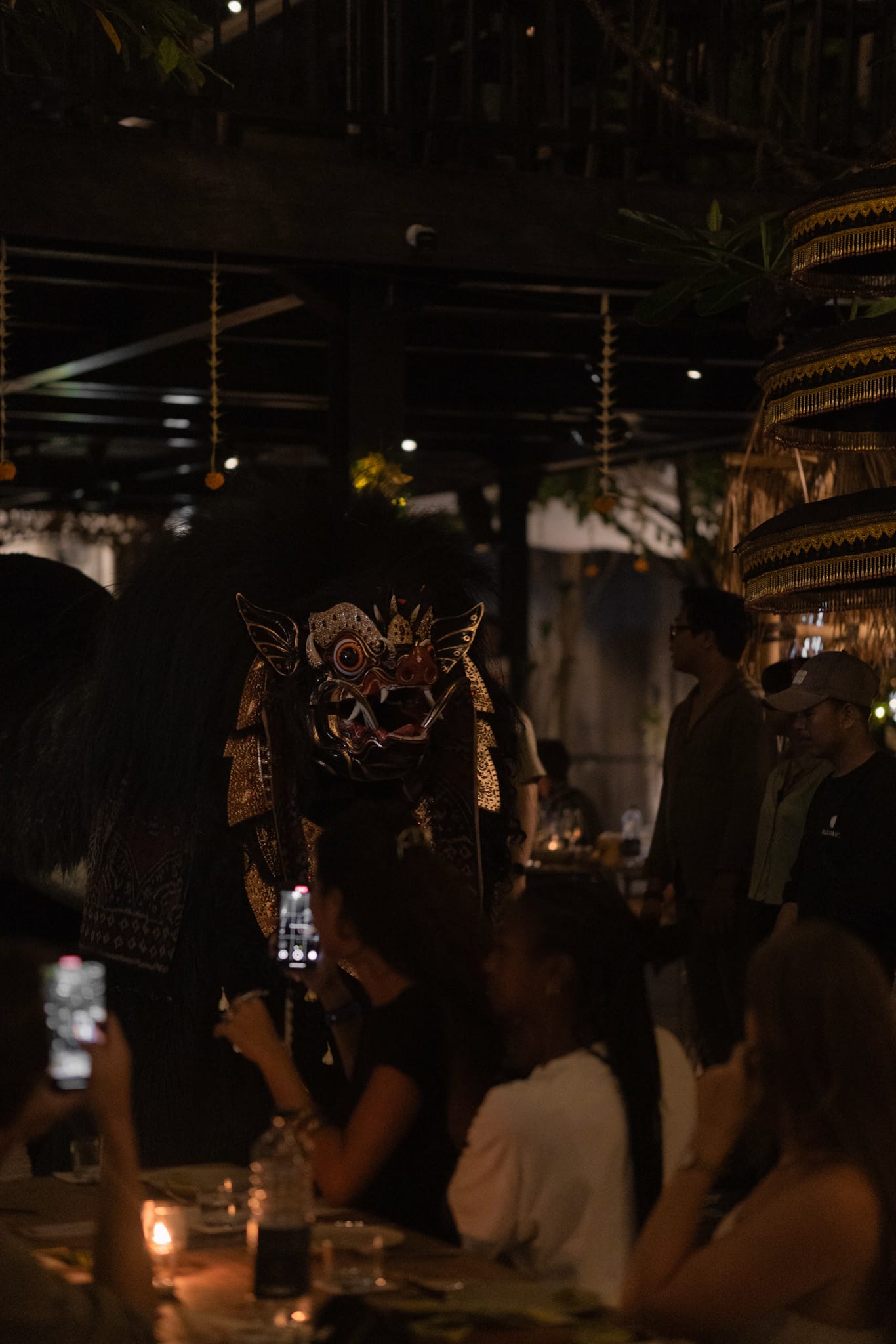
Every month, one larger event lands on a date from the Balinese calendar. Kuningan, this month, on the 27th, with a barong bangkung. Starting in July, an Archipelago Night series will spotlight one Indonesian region at a time: East Java first, then Papua.
Then there's the art on the walls. Putri, their Marketing Director, curated it. Every three months Ulu Garden rotates a new exhibition in partnership with Bali Lestari Gallery. The painters (most from Ubud) hang their work for free.
"If someone wants to buy the artwork, 100% goes to the artists."
What Armi Saw in 2007, and Why He's Still Tending It
Toward the end of our conversation, Armi kept returning to one year. 2007. What he saw was what's happening now: locals selling their land, foreign businesses arriving with confidence and a trend cycle, the cultural element thinning out every year.
"The locals who used to own this place have given up. It's a matter of fingers that there's a local element that survives. It's scary. Then, who's taking care of the culture? If it's not us, then who?"
What he controls is small and deliberate. He can't change anyone else's choices.
When I asked him for the idealist's version of where Ulu Garden goes next, he didn't reach for a roadmap. He reached for a garden.
"The root is clear. The consciousness is clear. We just grow. We just take care of the garden. We just follow the wind and the weather. If we stick to that, anything that comes, you will flourish.
It's an unexpected answer. But the more time you spend here, the more it tracks. The whole place has always been growing. A kitchen here, a stage there, a gym down the road, an exhibition on the wall, a kids' corner near the back.
I sat with him while the afternoon thinned out and the staff started setting up for the night's music. The painters' work was on the walls. The fire pit was being prepped.
What I kept thinking about was the line he kept coming back to. You can build a brand around novelty. Around aesthetic. Around a Padang Padang location and a viral menu. But Ulu Garden works because Armi, is doing one thing. He saw a garden in 2007, and he's still tending it to this day.
Frequently Asked Questions
Where is Ulu Garden located in Bali?
Ulu Garden is in Padang Padang, in the Pecatu area of Uluwatu, South Bali. It sits within walking distance of Padang Padang Beach and forms part of the wider Ulu Tribe ecosystem, which also includes Ulu Active gym nearby.
Who owns Ulu Garden?
Ulu Garden was founded by I Wayan Armina — known locally as Armi — a Pecatu-born musician who built the original stage in 2014. He runs the venue with his Belgian wife and business partner, who joined after walking into the candlelit room one night in 2018.
What kind of food does Ulu Garden serve?
The menu is modern Indonesian with international technique, often described as Eastern-Western. Dishes use Balinese ingredients, in-house seasonings (no MSG or Masako), and 100% coconut oil, with vegan and gluten-free options available.
Does Ulu Garden have live music every night?
Yes. Live music runs nightly, usually starting around 7pm or 7:30pm, featuring local musicians selected for their original character — including Armi's own band Ulu Roots, reggae act Bobby Dinar, jazz sets, and Balinese and Javanese dance performances.
What is Ulu Tribe?
Ulu Tribe is the umbrella brand connecting Ulu Garden (restaurant, music, art), Ulu Active (gym, sauna, cold plunge), and related cultural programming. The concept frames food, movement, and music as parts of one whole, rooted in Balinese principles like Tri Hita Karana and Tri Sarira.