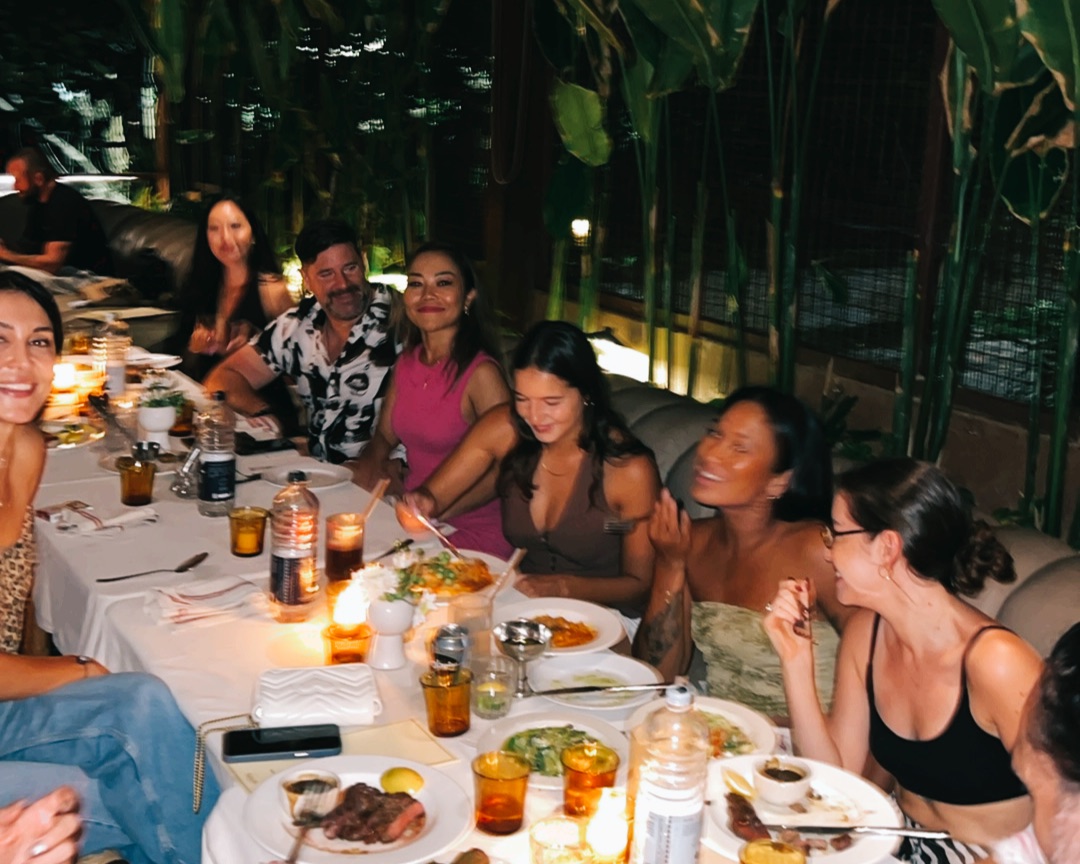
The most valuable thing a business can do right now has nothing to do with the product. It's showing a face.
That sounds obvious. It's not. Because for the last fifteen years, the entire playbook has been the opposite. Build the brand, not the person. Make the logo bigger, make the founder smaller. Create something that runs without anyone needing to know who's behind it. That was the dream: a machine so clean it didn't need a face at all.
And it worked, for a while. Until everything started looking like everything else.
Walk down any main street in any major city and you'll feel it. The same fonts, the same minimalist interiors, the same tone of voice that sounds like it was written by the same person. Because it basically was. We optimized personality out of business. We called it branding. And now we're sitting in a world where most people couldn't tell you who's behind ninety percent of the places they spend money.
That's the gap. And the businesses filling it right now are the ones doing something deceptively simple: they're letting you see who they are.
Look at what's happening on social media. Founders are showing up months before they even open. The space is still concrete and dust, the menu doesn't exist yet, and thousands of people are already following along like it's their favorite show. They're not watching a business get built. They're watching a person build something they believe in. And by the time the doors open, those followers don't feel like customers. They feel like they were part of it. They've been in the story since the first chapter, and now they want to see how it plays out in person.
That kind of loyalty used to take years of being open. Now it starts before the paint dries. And it only works because someone was willing to show their face while everything was still messy and unfinished.
But this goes deeper than social media. The places people genuinely rave about right now, the ones that get talked about at dinner, that people drive across town for, they all share something. The person who built it is still in the room.
It's the chef who owns the place and still runs the pass every night. Not because they have to, but because they don't know how to be anywhere else. It's the couple (one in the kitchen, one on the floor) running the whole thing together, and you can feel that partnership the second you walk in. It's the family spot that's been around for three generations, where the granddaughter is now behind the counter and the regulars still ask about her grandmother's recipe. These aren't business models. They're people who never separated themselves from the thing they made.
And there's a detail in there that matters more than people realize. The best of them don't call you a customer. They call you a guest. That's not just a word. It's a posture. A customer is someone you transact with. A guest is someone you welcome into your home. And when the person doing the welcoming is the same person who built the place, who dreamed it up, who still stays late to make sure everything's right, that welcome hits completely different.
This is the part most businesses miss. They think putting a face forward is a marketing tactic. Hire a spokesperson. Film some behind-the-scenes content. Get the founder on a podcast. But that's not what's working. The face isn't the strategy. The face is the signal.
It tells people someone is accountable. Someone cares enough to stand next to the thing and say, this is mine. In a world where so much feels anonymous and replaceable, that act alone, just showing up as a recognizable human, becomes the differentiator.
And here's what makes it compound. Once people connect with a face, they don't just buy the product. They follow the story. They come back to see what's next. They bring their friends and say you have to meet this person, not you have to try this place. The business stops being a destination and starts being a relationship.
The businesses that feel like they belong to someone will always outperform the ones that feel like they belong to no one. That's not a trend. That's just how people work. We trust faces. We remember names. And in a market that spent a decade trying to be sleek and invisible, the ones brave enough to simply be seen are the ones people can't look away from.
Opinion by Nadila Amani. Supper Social Editor in Chief. 11 May 2026, Bali Indonesia.
Frequently Asked Questions
Why do founder-led brands build customer loyalty faster?
When people follow a founder's journey — especially from the early stages — they feel personally invested in the outcome. That emotional connection converts followers into loyal customers before the business even launches, a process that used to take years of trading.
What does it mean to be a founder-led brand?
A founder-led brand is one where the person who built it remains visibly involved and personally accountable. It's not about hiring a spokesperson; it's about the founder showing up consistently, so customers associate the business with a real human rather than a logo.
How does showing your face help a small business stand out?
In a market saturated with identical aesthetics and interchangeable brand voices, a recognisable human presence becomes a genuine differentiator. People trust faces, remember names, and are far more likely to recommend a business by saying "you have to meet this person" than "you have to try this place."
Is founder-led branding just a social media trend?
No. While social media has made it easier for founders to build audiences early, the principle runs deeper. The restaurants, shops, and businesses people rave about most tend to be the ones where the owner is still in the room — and that dynamic predates any platform.